Spiti Valley – Quick Answer
Spiti Valley is a high-altitude cold desert region in Himachal Pradesh, known for its barren mountains, ancient monasteries, unique Tibetan culture, and extreme climate. It is one of the most remote and visually striking regions in India.
Introduction
Spiti Valley stands apart from typical hill destinations in India. Instead of lush greenery, it offers vast barren landscapes, dramatic mountain ranges, and a sense of isolation that feels both powerful and peaceful. This region is not just about tourism but about experiencing a completely different way of life shaped by nature and altitude.
About Spiti Valley
Located in Himachal Pradesh, Spiti Valley lies at an average elevation of over 12,000 feet above sea level. The name “Spiti” means “The Middle Land”, as it sits between India and Tibet. The valley shares strong cultural, geographical, and religious connections with Tibetan Buddhism, which is reflected in its monasteries, lifestyle, and traditions.
What Makes Spiti Valley Unique
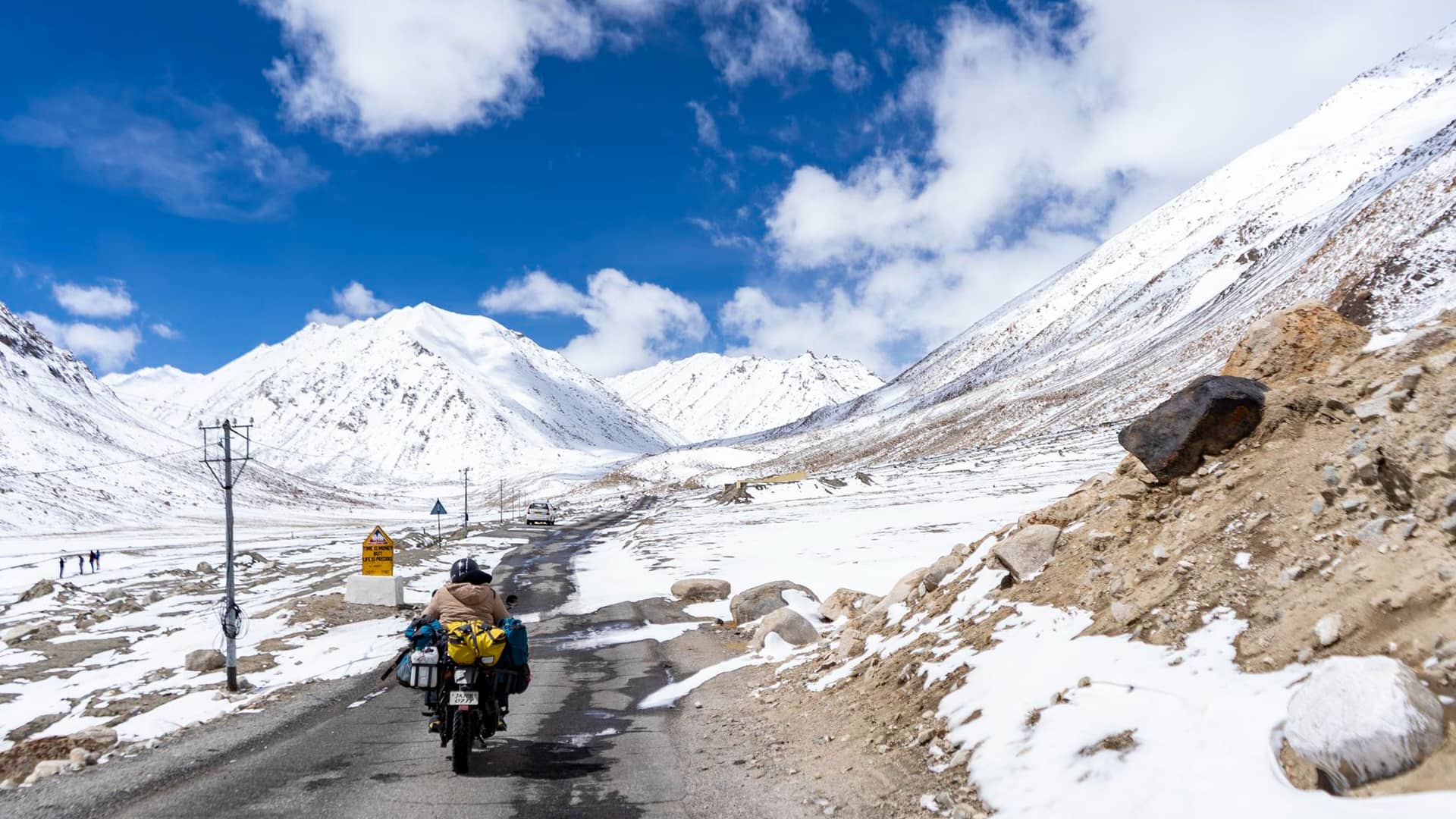
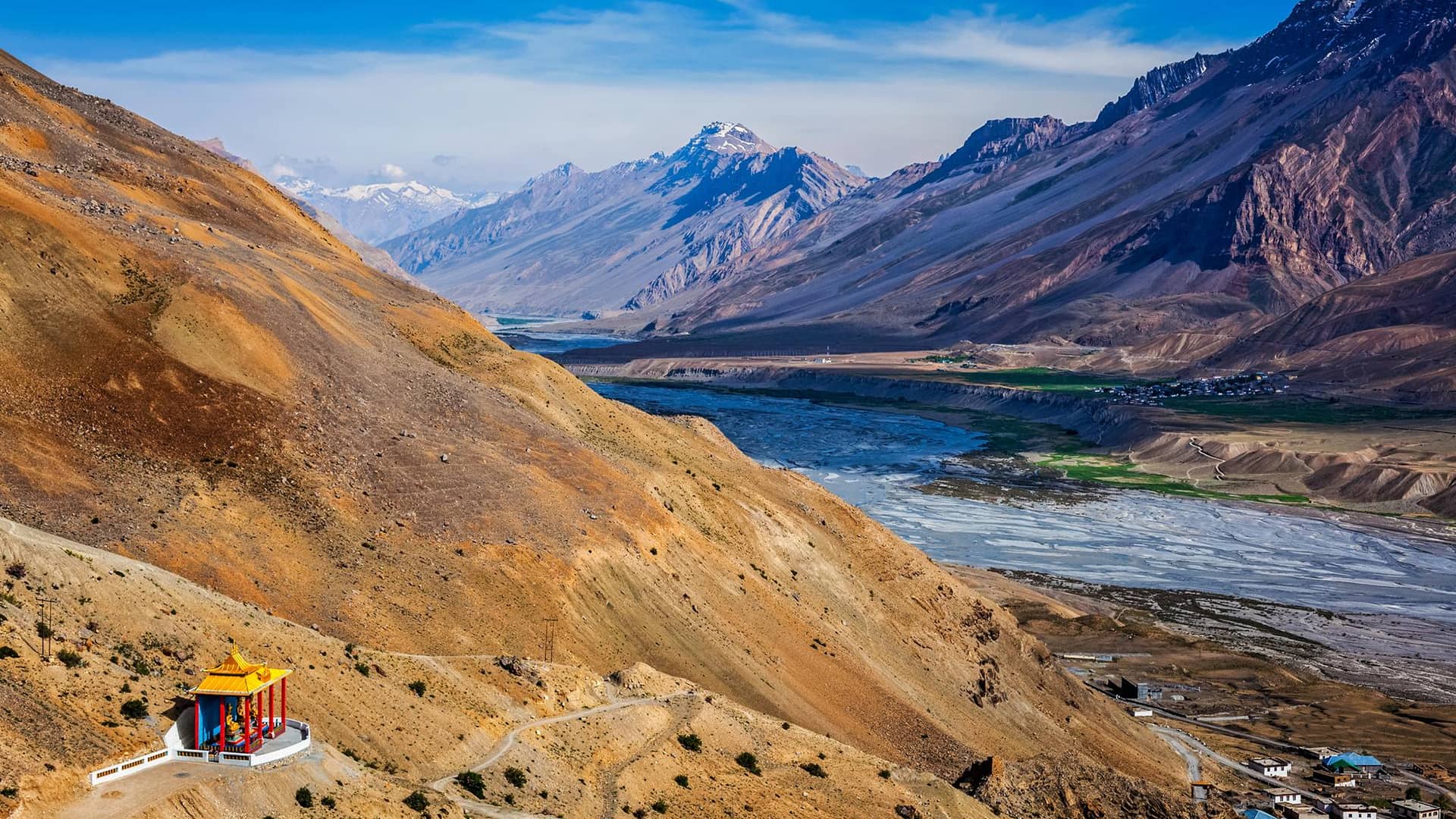
Spiti Valley is known for its cold desert environment, where rainfall is extremely low and temperatures can drop drastically. The landscape is dominated by rugged mountains, deep valleys, and clear blue skies. Unlike other Himalayan regions, it offers raw and untouched terrain that feels almost otherworldly.
Culture and Lifestyle
The culture of Spiti Valley is deeply influenced by Tibetan Buddhism. Monasteries are central to community life, and traditional practices are still followed by locals. Villages are small and closely knit, with people living simple lives adapted to the harsh climate. Festivals, rituals, and daily routines reflect a strong spiritual connection and cultural preservation.
Geography and Climate
Spiti Valley is characterized by high-altitude desert terrain with minimal vegetation. Summers are short and relatively mild, while winters are long and extremely cold, often cutting off the region from the rest of the country. The clear atmosphere and low pollution make it one of the best places for stargazing in India.
Key Locations in Spiti Valley
Kaza serves as the main administrative and commercial center of the valley. Key Monastery is one of the oldest and most significant monasteries in the region. Villages like Kibber, Langza, and Hikkim are known for their high altitude, scenic views, and unique lifestyle. Chandratal Lake is one of the most visually stunning natural attractions in the region.
Economy and Livelihood
The economy of Spiti Valley is primarily based on agriculture, animal husbandry, and tourism. Crops like barley and peas are commonly grown due to the harsh conditions. In recent years, tourism has become an important source of income, with homestays and local businesses growing steadily.
Challenges of Living in Spiti Valley
Life in Spiti Valley is not easy. Harsh winters, limited medical facilities, restricted connectivity, and difficult terrain make daily life challenging. Despite these conditions, the local population has adapted remarkably well, maintaining resilience and strong community bonds.
Environmental Importance
Spiti Valley is an ecologically sensitive region and home to unique wildlife such as the snow leopard and Himalayan ibex. Conservation efforts are important to preserve its fragile ecosystem. Responsible tourism plays a key role in maintaining the balance between development and environmental protection.
Conclusion
Spiti Valley is more than just a destination; it is a unique landscape shaped by extreme conditions, deep cultural roots, and natural beauty. Its isolation and raw environment make it one of the most fascinating regions in India, offering insights into both nature and human resilience.
FAQs
1. What is Spiti Valley known for?
Spiti Valley is known for its cold desert landscape, monasteries, Tibetan culture, and high-altitude villages.
2. Why is Spiti called a cold desert?
It is called a cold desert because it receives very little rainfall and has extremely low temperatures, especially in winter.
3. What is the culture of Spiti Valley like?
The culture is heavily influenced by Tibetan Buddhism, with strong traditions, monasteries, and community-based living.
4. What are the main towns in Spiti Valley?
Kaza is the main town, along with villages like Kibber, Langza, and Hikkim.
5. Is Spiti Valley environmentally important?
Yes, it is an ecologically sensitive region with rare wildlife and a fragile ecosystem that requires protection.